Learn Basic Fabric Properties
Explore how weight, weave, and fiber content influence how a fabric feels and behaves in general handling situations.
Educational Textile Resource
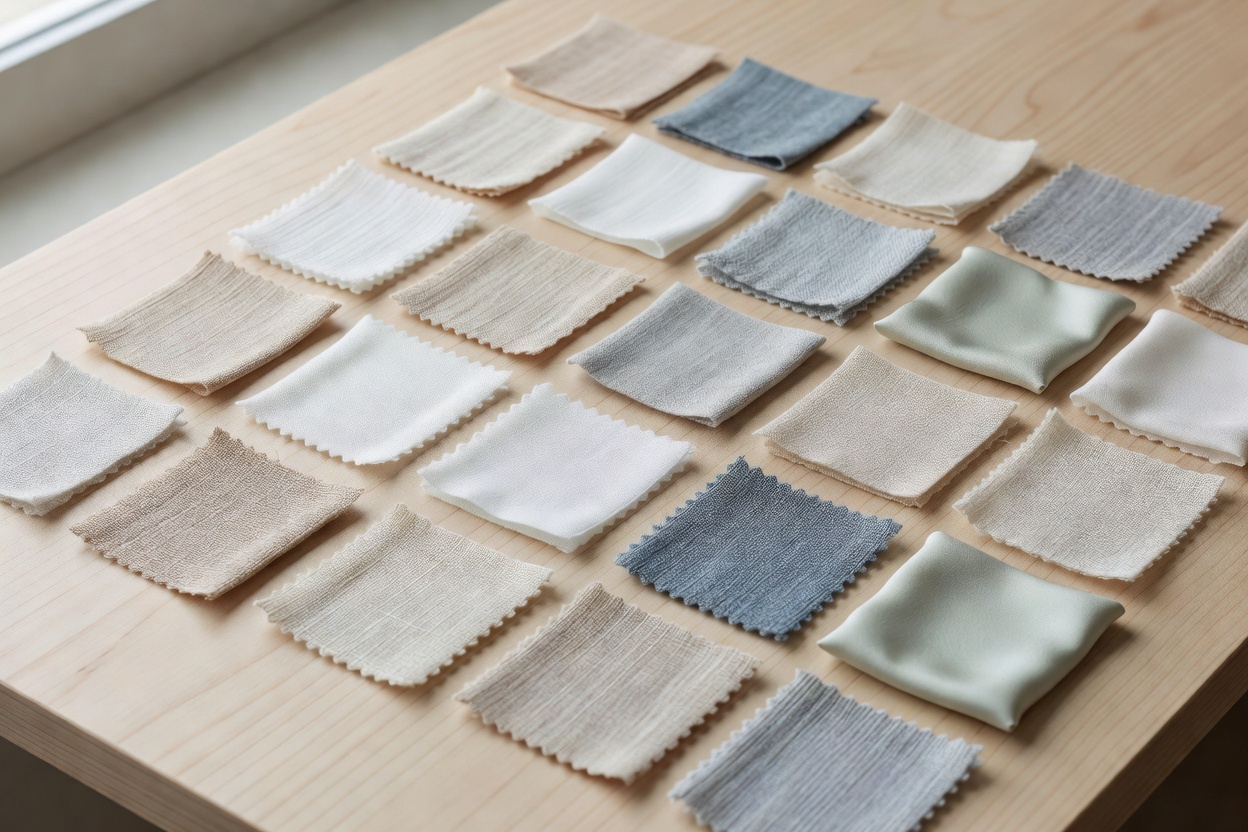
Fabric Weave shares general educational information about textile structure, fabric behavior, and sample testing. Use small fabric swatches to observe texture, stretch, weight, and weave patterns before starting a project.
Fabric Weave is an educational resource for people who want to better understand fabrics before using them in sewing, craft, design, or textile projects. The information provided here is general in nature and should always be used together with personal material testing and guidance from your supplier or manufacturer.
What You May Learn
This site explores foundational textile concepts in plain language. These points reflect what you can observe and investigate — not guaranteed outcomes.
Explore how weight, weave, and fiber content influence how a fabric feels and behaves in general handling situations.
Swatch samples can give you a practical starting point for side-by-side comparison of texture, thickness, and response to folding.
Plain, twill, satin, and knit structures each have distinct visual and tactile characteristics worth observing before a project begins.
Regular swatch observation may help you spot pilling, uneven weave, or inconsistent weight before committing to a full cut.
Developing a consistent approach to reviewing fabrics supports more thoughtful material selection — though results will always vary.
Understanding basic textile vocabulary helps you communicate more clearly with suppliers, pattern makers, and project collaborators.
Practice Guide
Small fabric samples can help you observe how a material feels, folds, stretches, and reacts to handling. These observations do not guarantee final project performance, but they can support better preparation.
Look at weave structure, sheen, texture variation, and any irregularities visible to the eye.
Gently pull the fabric in different directions. Note whether it springs back or remains stretched.
Hold the swatch up to the light and feel how it drapes between your fingers.
Identify warp and weft threads if visible, and note how the grain runs through the fabric.
Write brief observations about each swatch for future reference and comparison.
A single observation is a starting point. Always retest materials before committing to a final project.
Fabric Types
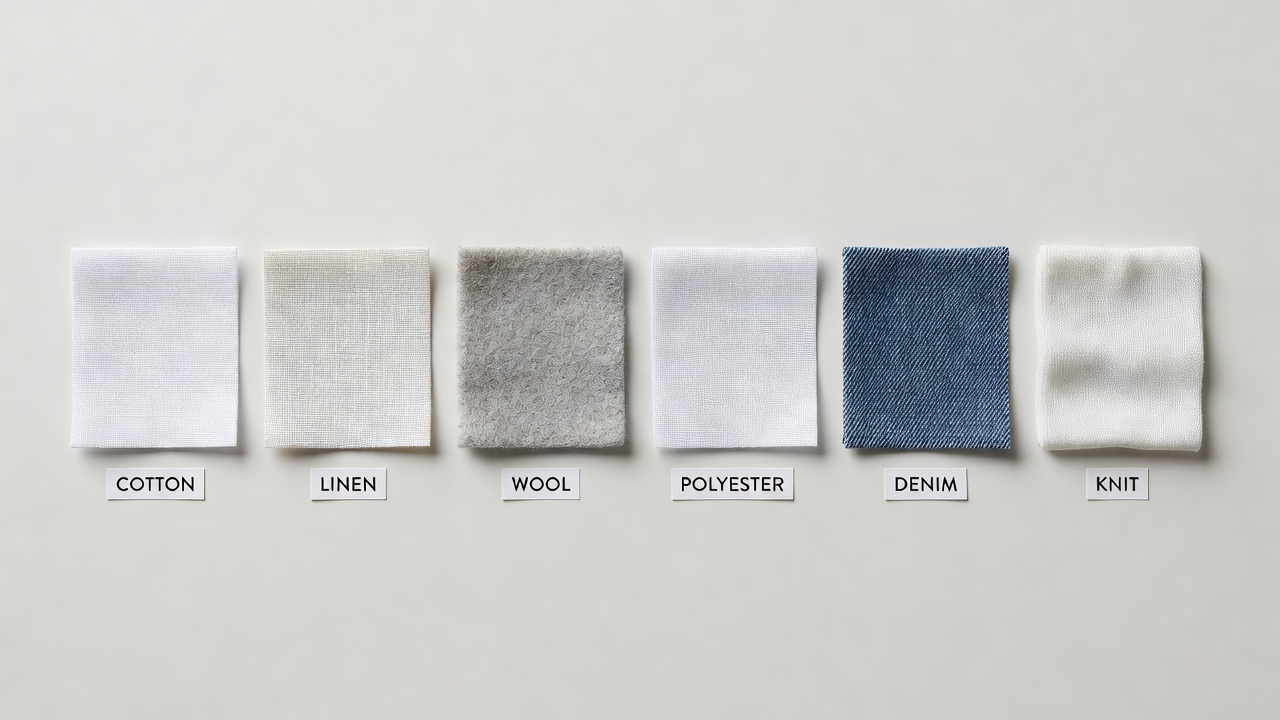
Each fabric type has distinct properties worth understanding before use. These overviews offer general educational context — not purchasing recommendations.
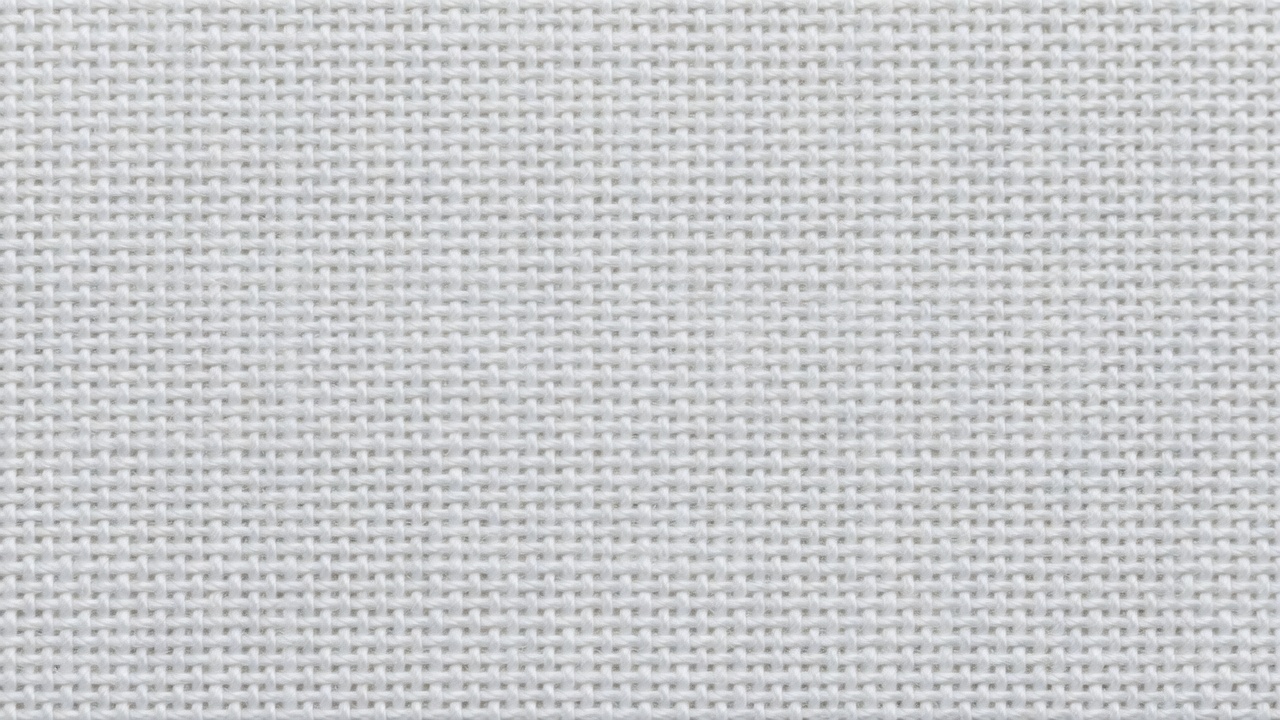
A widely used natural fiber with varied weave types. Breathable, washable, and available in many weights.
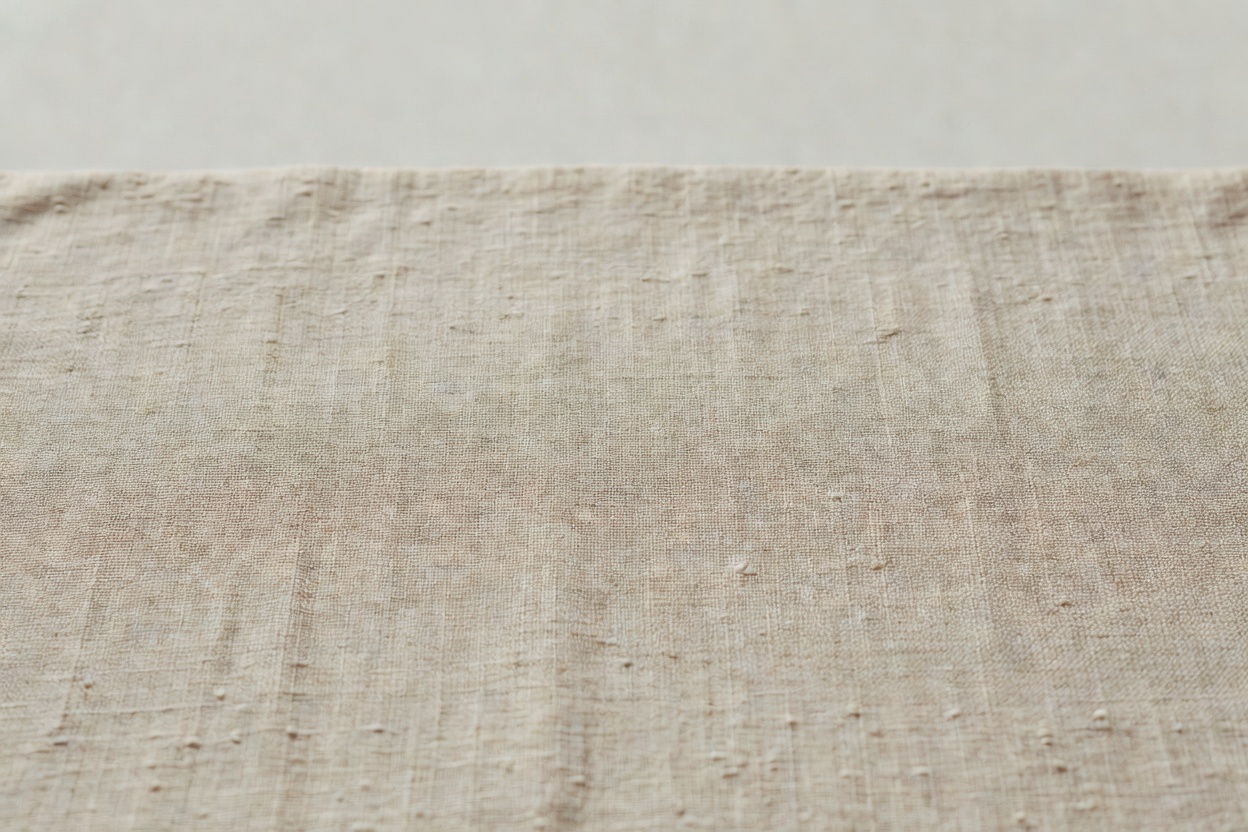
Made from flax fibers, linen has a distinct texture and is often observed to be firmer than cotton at similar weights.
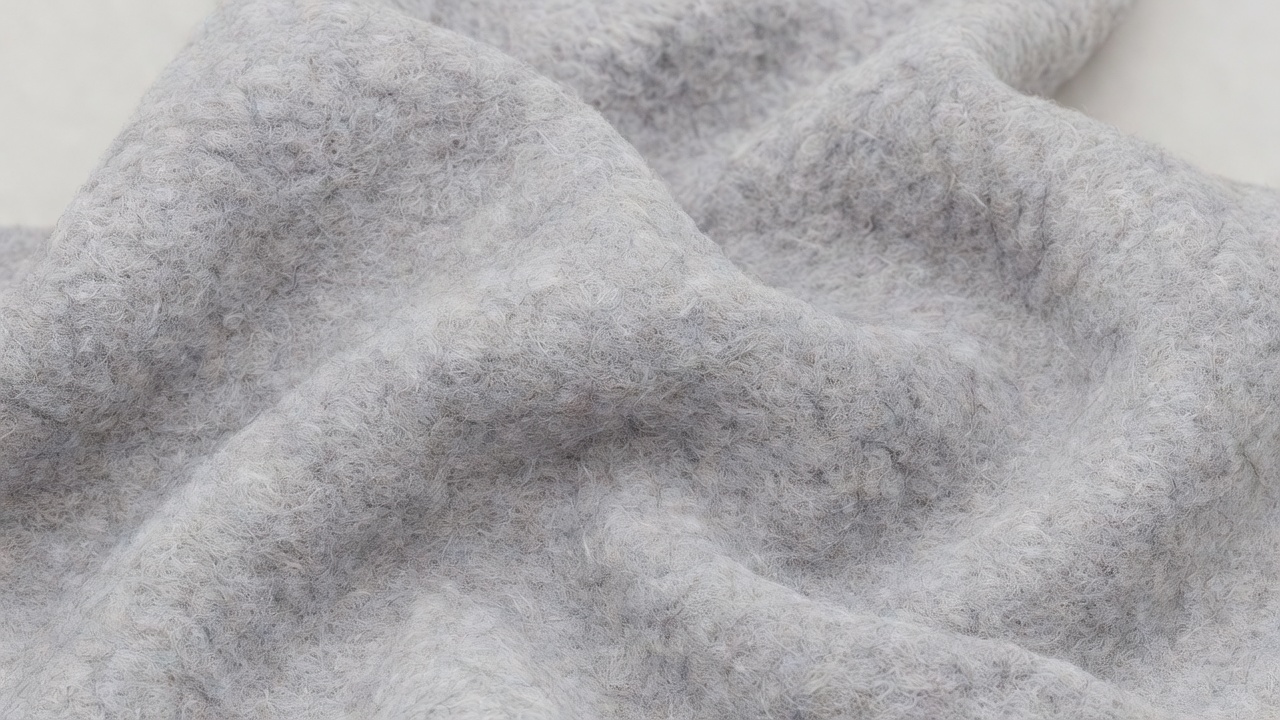
A natural protein fiber with notable insulating properties. Available in many weights and weave styles.
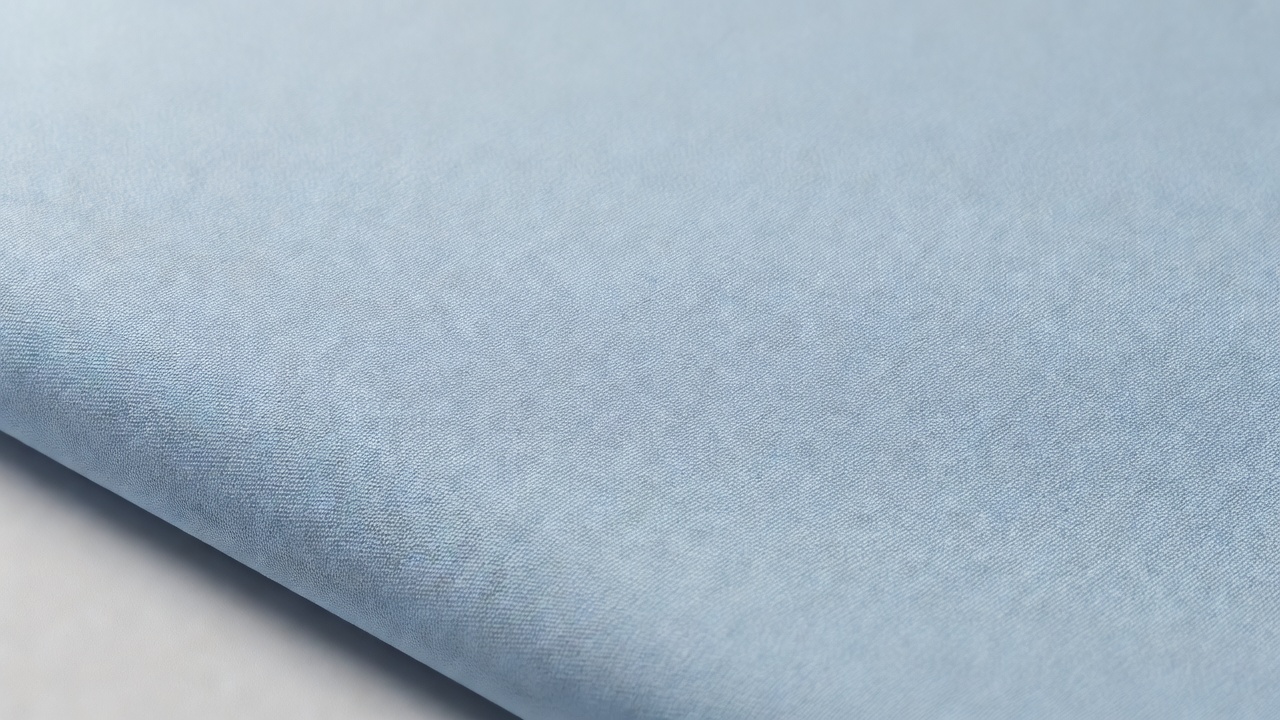
A synthetic fabric noted for durability and color retention. Behaves differently from natural fibers in many situations.
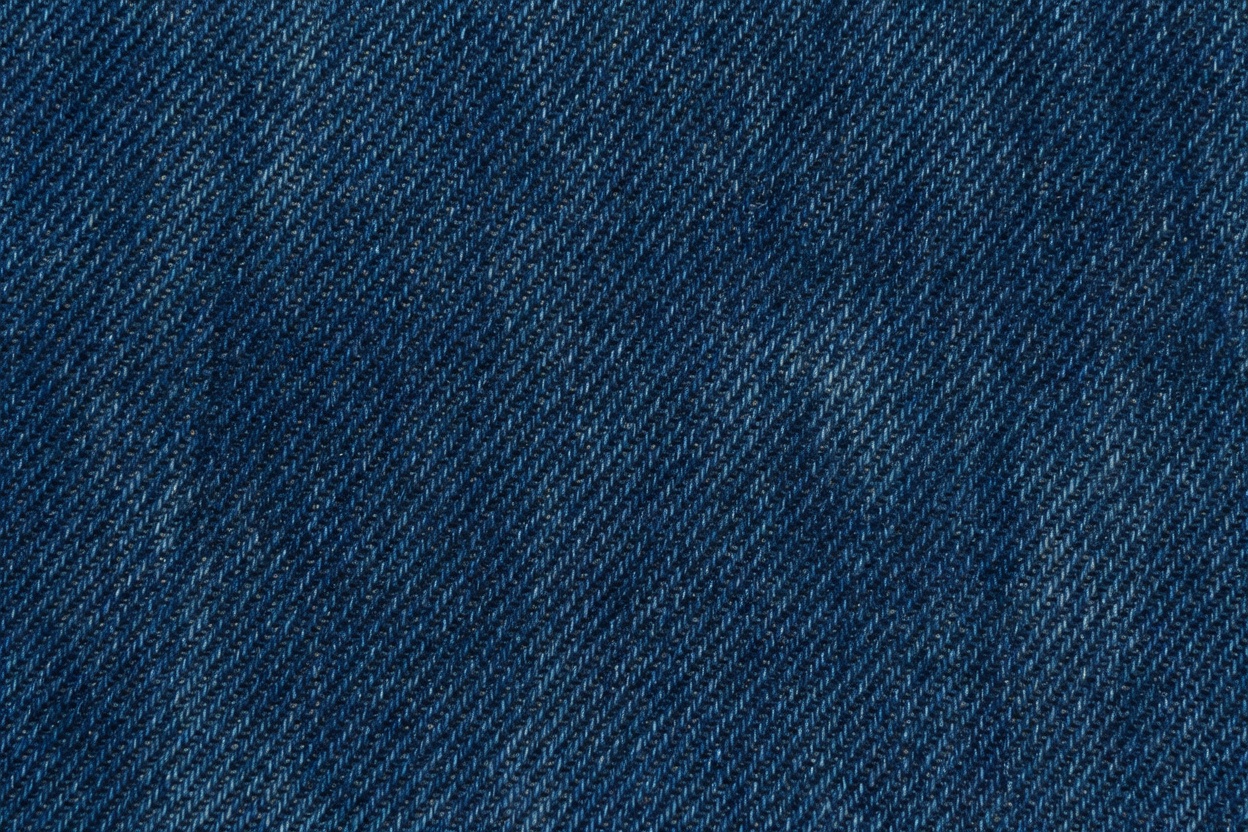
A twill-woven fabric typically made from cotton. Often heavier in weight, denim has a recognizable diagonal weave pattern.
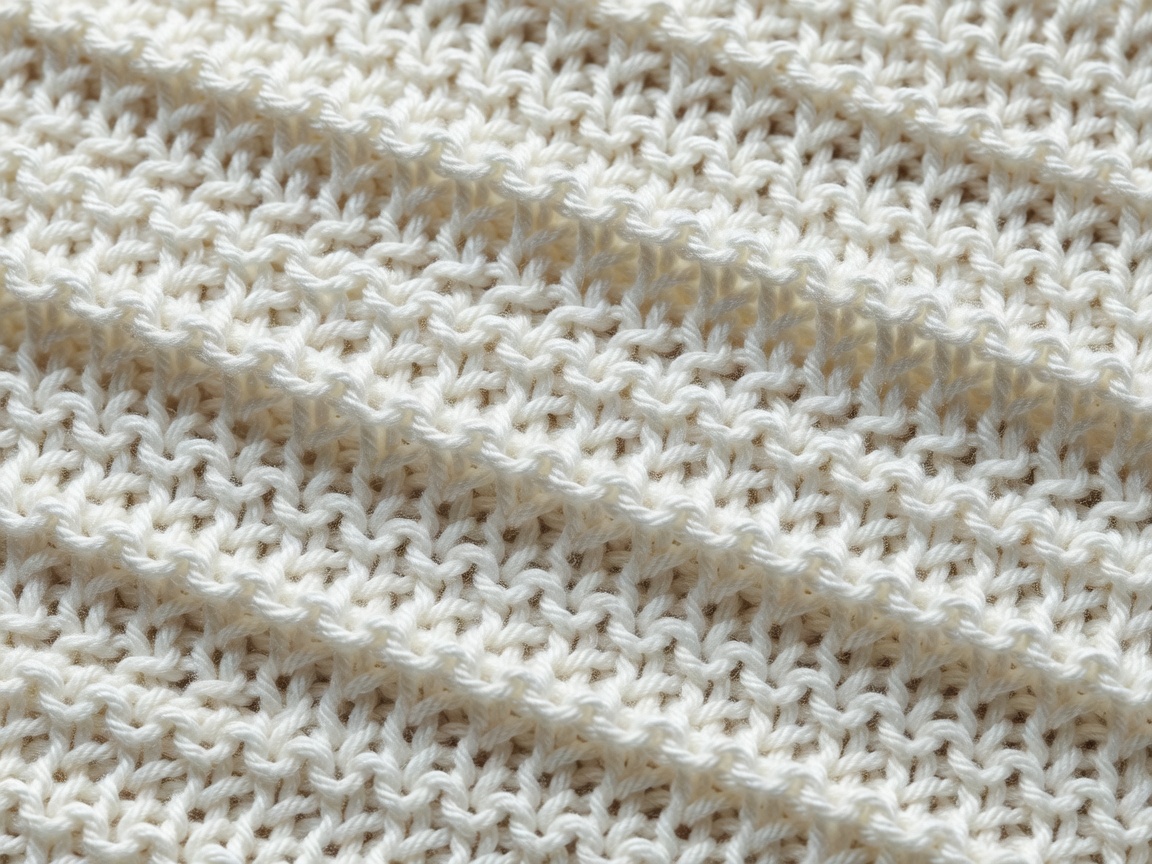
Constructed from interlocking loops rather than woven threads. Knit fabrics tend to have natural stretch and flexibility.
Fabric observation starts with small, hands-on steps. No special tools or training required — just a sample and a few minutes of careful looking.
View Practice Steps About This Resource