Surface Feel
Fine wool fabrics (e.g. merino) often feel smooth and soft to the touch. Coarser types may feel rougher or more textured — this varies significantly.
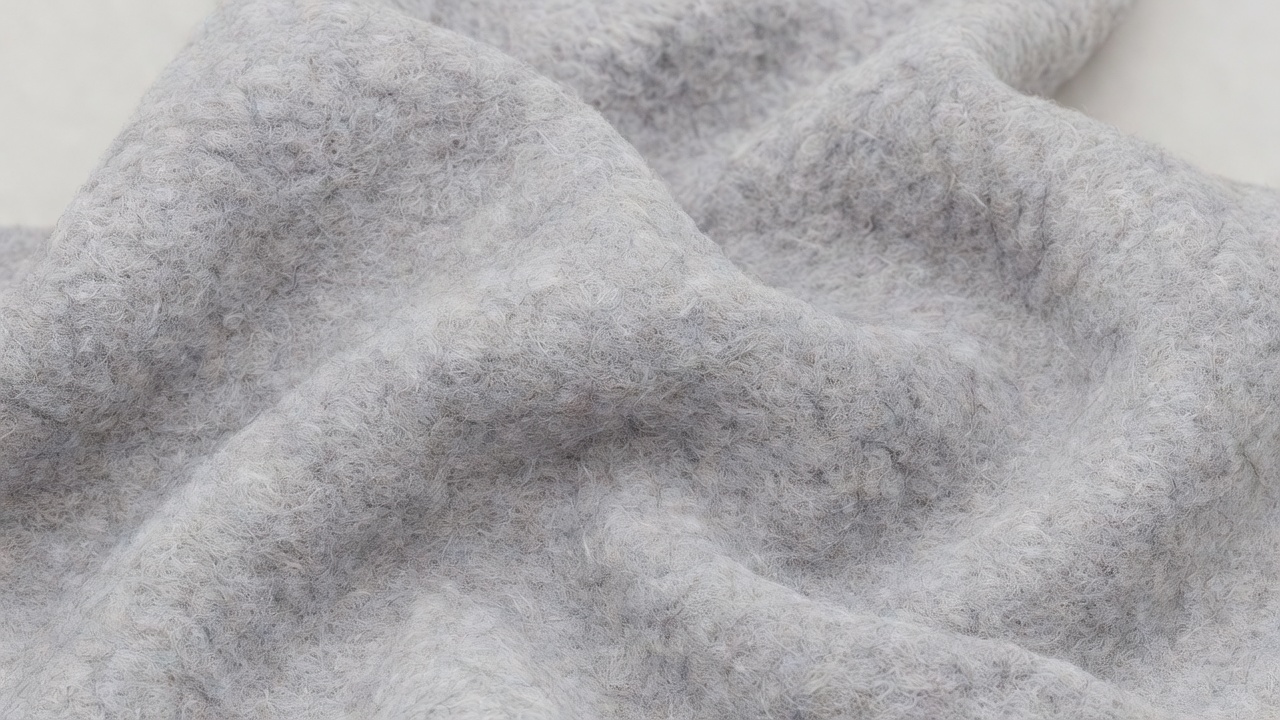
A natural protein fiber derived from animal fleece. Wool is available in many types and weights, with significant variation in texture and hand depending on the source animal and processing.
Fiber Overview
Wool is a natural protein fiber, primarily sourced from sheep, though it can also come from other animals including alpaca, cashmere goat, angora rabbit, and others. Each animal source produces fibers with somewhat different characteristics.
Wool fibers have a natural crimp or wave, which contributes to their elasticity and the way they trap air. The fiber surface has small scales that can affect the fabric's behavior, particularly in response to moisture and heat.
| Fiber source | Sheep and other animals (alpaca, cashmere, etc.) |
| Fiber type | Natural protein (keratin) |
| Typical feel | Ranges from very soft (merino) to coarser weights |
| Elasticity | Generally higher than plant fibers |
| Moisture behavior | Can absorb moisture; behavior varies |
| Care sensitivity | Many wools are sensitive to high heat and agitation |
Wool fabric properties vary widely depending on the source fiber, processing, and weave type. Test any wool swatch before use, and follow care label instructions for specific products.
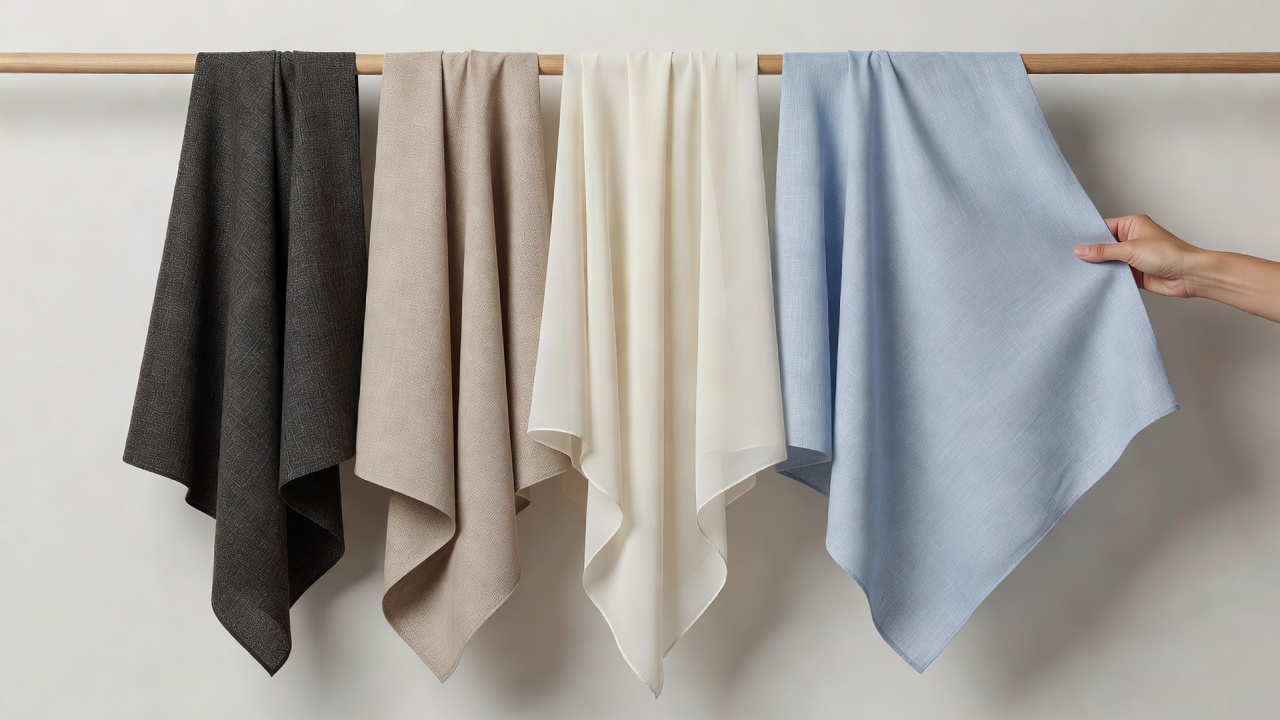
What to Notice
Wool fabrics are among the most variable in terms of hand and behavior. The following observation points are general starting points only.
Fine wool fabrics (e.g. merino) often feel smooth and soft to the touch. Coarser types may feel rougher or more textured — this varies significantly.
Wool can range from very lightweight suiting weight to dense coating fabrics. Note how the swatch holds its shape when folded or draped.
Pull the swatch gently and note how quickly it returns to its original shape. Wool often has more natural stretch recovery than cotton or linen woven fabrics.
Touch the swatch with slightly damp fingers and observe whether the surface changes appearance. Wool fibers are known to interact with moisture.
Rub the surface gently and observe whether short fibers begin to pill. This is a common consideration with looser-spun or softer wool fabrics.
Natural wool may have a faint animal or earthy scent, particularly when new or damp. This does not indicate poor quality in general.