Texture & Surface
Linen often has a slightly uneven texture due to natural fiber variation. Notice any slub or irregularity in the weave surface.
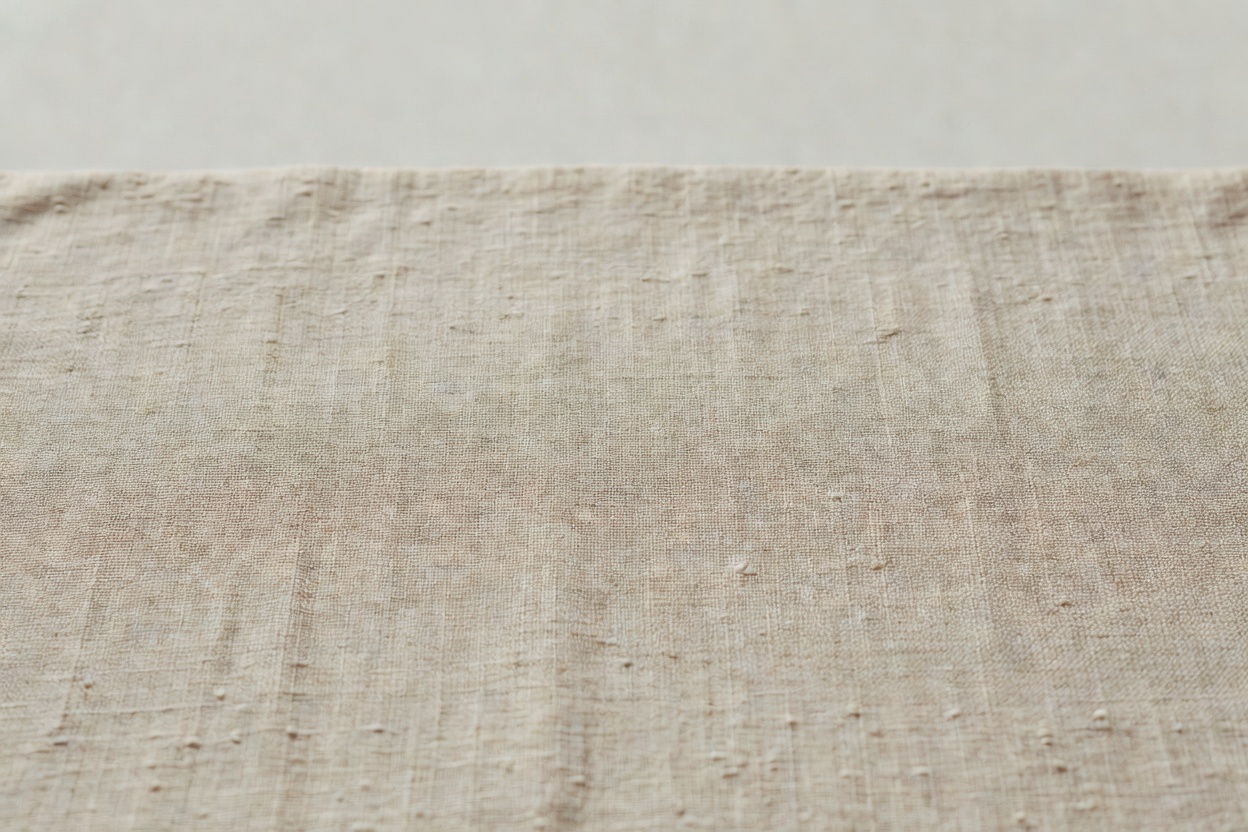
A natural fiber made from the flax plant. Linen has a distinctive texture and is often noted for its firm hand compared to cotton at similar weights.
Fiber Overview
Linen is derived from the fibers of the flax plant (Linum usitatissimum). It is one of the older known natural textile fibers and is noted for its durability and distinct texture. Linen fibers are longer and coarser than cotton fibers, which contributes to the fabric's characteristic appearance.
Linen fabrics are typically woven, and the resulting cloth often has a visible texture that is described as slightly irregular or "natural" in appearance. The surface may soften with repeated washing over time.
| Fiber source | Flax plant (Linum usitatissimum) |
| Fiber type | Natural cellulose (bast fiber) |
| Typical feel | Firm to medium; may soften with washing |
| Surface appearance | Often slightly irregular natural texture |
| Typical stretch | Generally low in woven forms |
| Crease behavior | Tends to crease; may vary by weave |
These are general observations about linen fabric. Actual properties vary by weave, weight, finishing, and supplier. A physical sample test is always recommended before project use.
What to Notice
When handling a linen swatch, the following observations are often mentioned in general textile discussions. They are starting points for your own observation, not definitive tests.
Linen often has a slightly uneven texture due to natural fiber variation. Notice any slub or irregularity in the weave surface.
Linen is often described as firmer or crisper than cotton at similar weights. Some linen softens noticeably after washing.
Fold and press the fabric with your fingers. Linen typically creases with some ease — note whether the crease holds sharply or relaxes.
Hold the swatch by one edge and observe how it falls. Heavier linens may drape with more structure than lighter weights.
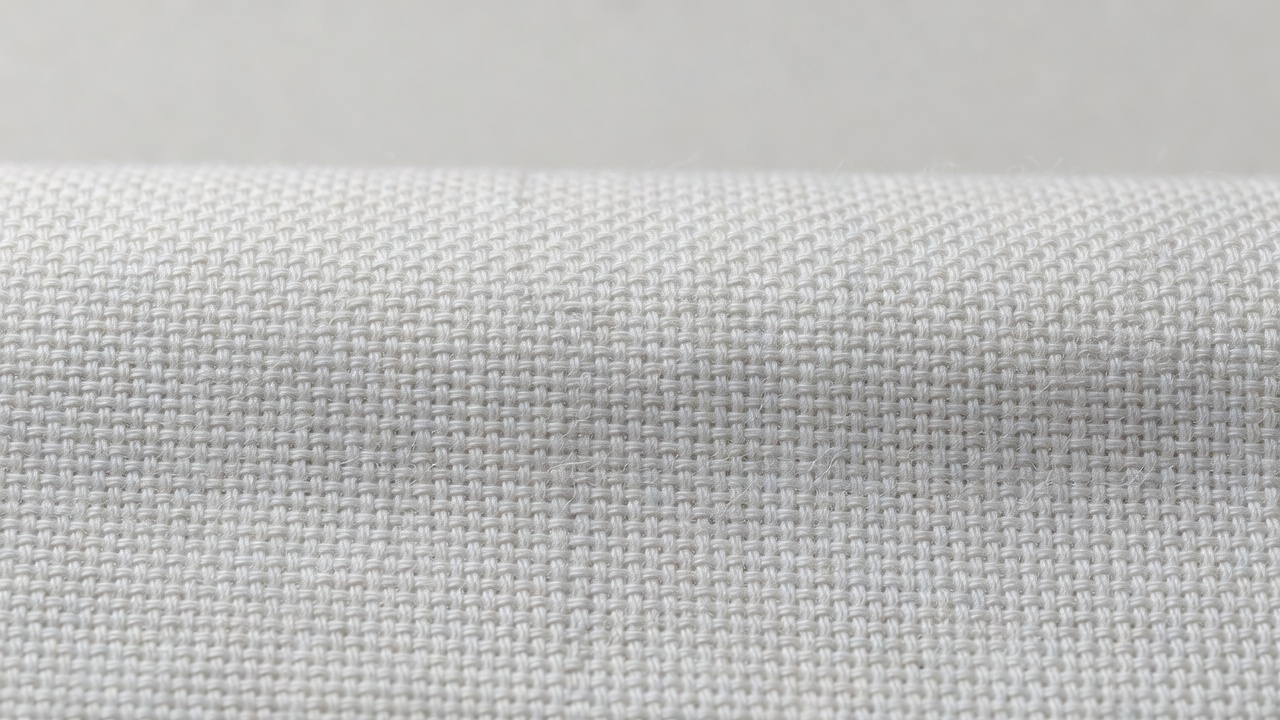
Linen is often woven in a plain weave, making the thread structure visible to the eye. Look at the evenness of the weave pattern.
Unbleached or natural linen tends to have a warm off-white or tan tone. This may shift with washing, finishing, or dyeing.