Weave structure affects how a fabric handles, drapes, and wears over time.
Learn Fabric Basics

Weave Structures

An educational overview of the most common woven textile structures. Understanding how threads interlace can help you observe and describe fabric characteristics more clearly.

Warp and Weft: The Basics

All woven fabrics are formed by two sets of threads: the warp (threads running vertically/lengthwise) and the weft (threads running horizontally/crosswise). The pattern in which weft threads pass over and under warp threads defines the weave structure.

Different weave patterns create fabrics with different appearances, textures, strengths, and drape characteristics. Being able to identify basic weave structures is a useful skill for any textile observer.

The descriptions on this page are general educational overviews. Actual fabric behavior depends on weave, fiber, weight, finishing, and many other factors. Observation should always be supplemented with physical sample testing.

Close-up diagram showing plain weave interlacing pattern

The Main Weave Types

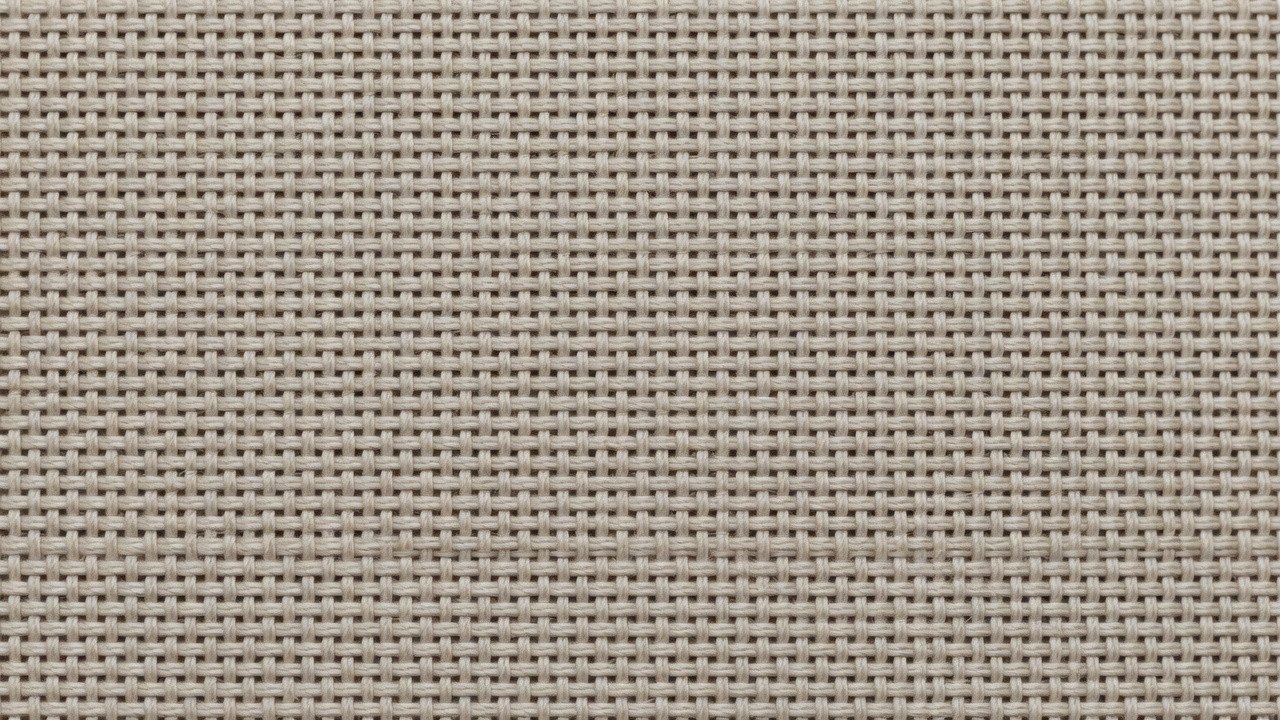
Plain weave fabric showing one-over-one interlacing structure
Most Common

Plain Weave

In a plain weave, each weft thread passes alternately over and under each warp thread in a simple over-one, under-one pattern. This is the most basic and widely used weave structure.

  • Produces a flat, even surface on both sides
  • Generally considered a stable structure
  • Common in cotton poplin, linen, and many basic fabrics
  • Thread visibility is relatively clear under magnification
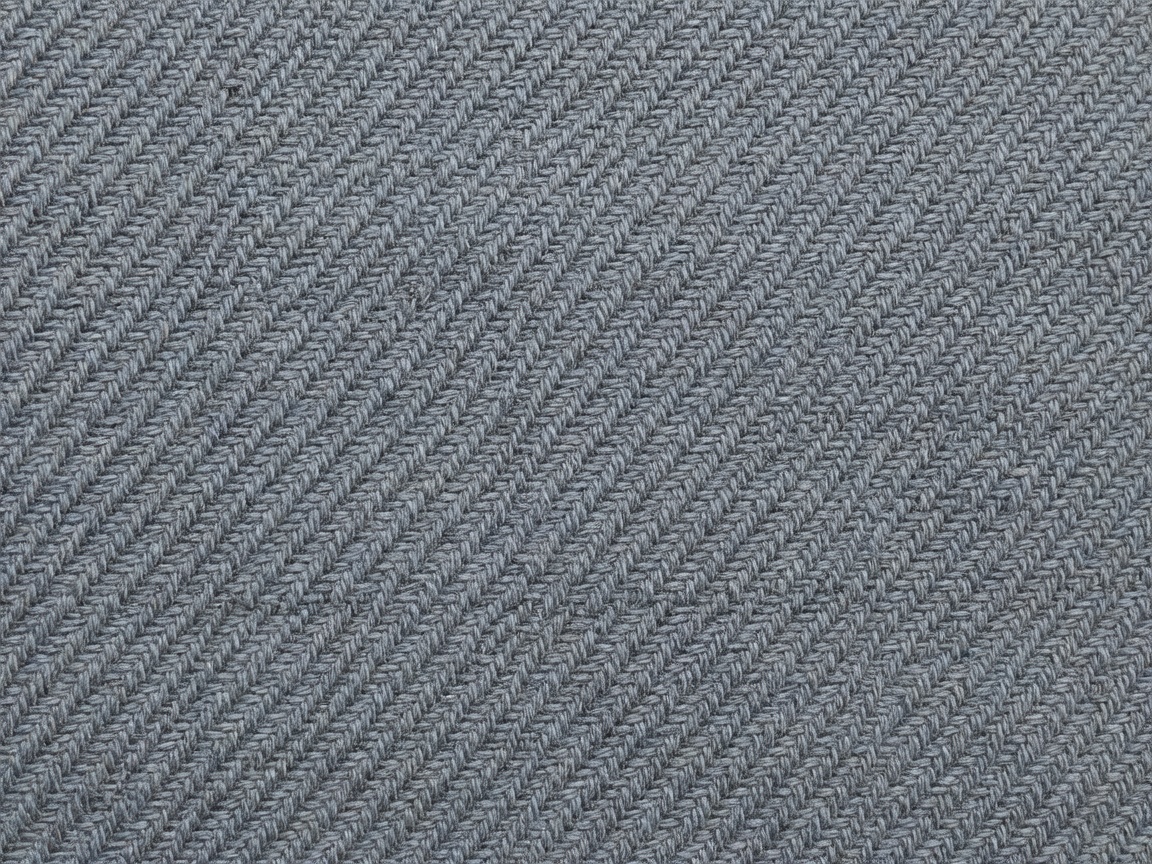
Twill weave fabric showing diagonal pattern structure
Diagonal Structure

Twill Weave

In a twill weave, the weft passes over one or more warp threads and under two or more, creating a pattern that shifts by one thread on each successive row. This produces a visible diagonal line on the fabric surface.

  • Produces a clear diagonal line visible on the face
  • Denim, chino, and gabardine are common twill fabrics
  • The diagonal direction can vary (left-hand or right-hand twill)
  • Generally considered drape-friendly at lighter weights
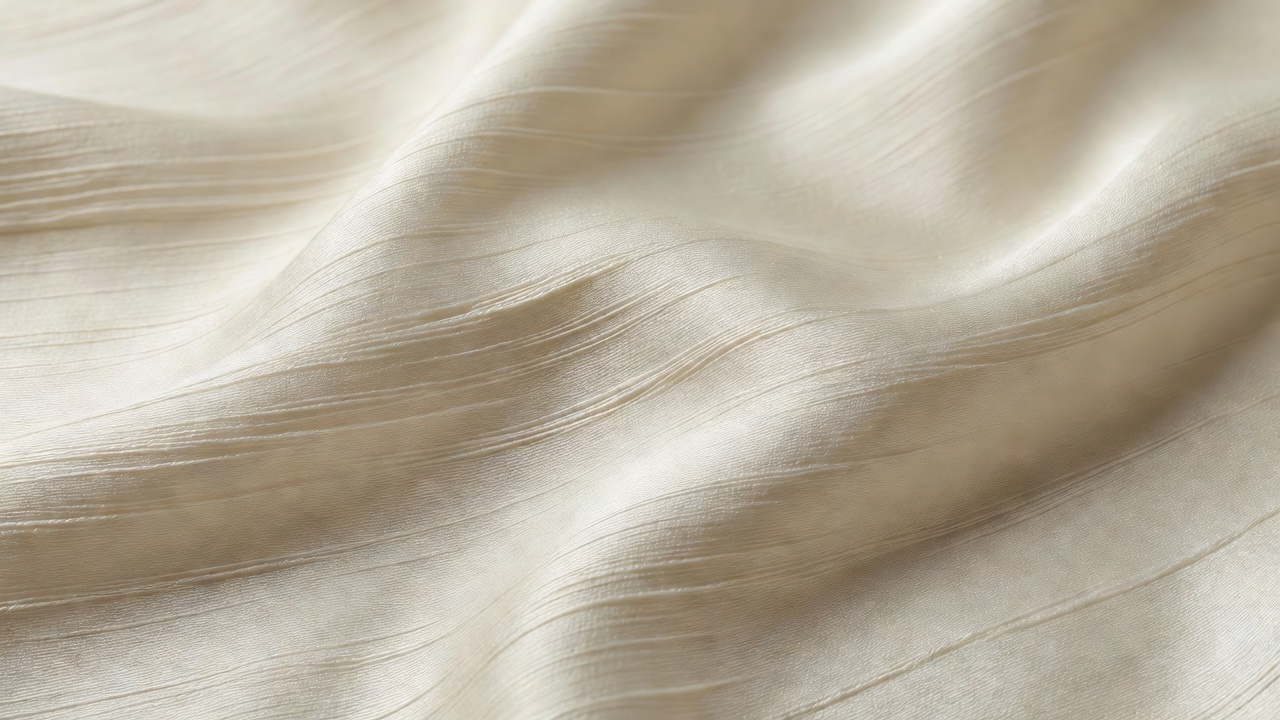
Satin weave fabric showing smooth shiny surface and long float structure
Long Floats

Satin Weave

Satin weave uses long floats — where the weft thread passes over several warp threads before going under one. This creates a smooth, lustrous surface on the face of the fabric.

  • Produces a smooth, reflective surface
  • The long floats can be prone to snagging compared to plain weave
  • Used in silk satin, polyester satin, and some cotton fabrics
  • Drape tends to be softer than plain or twill at similar weights
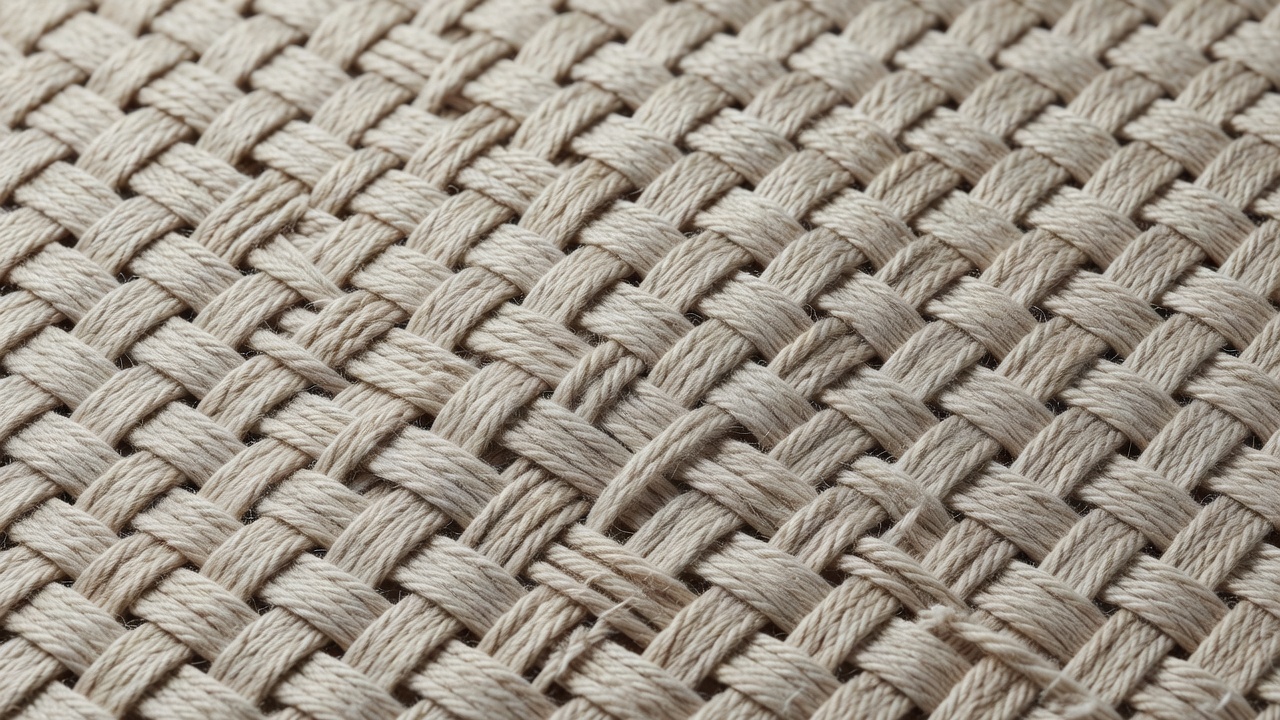
Basket weave fabric showing two-over-two checkerboard pattern
Basket Variation

Basket Weave

A variation of plain weave where two or more threads are grouped together and woven as a single unit. This creates a checkerboard-like texture visible on the fabric surface.

  • Produces a visible two-over-two or similar grouped thread pattern
  • Generally less stable than plain weave at similar thread counts
  • Common in hopsack fabrics and some shirting materials
  • Texture is often more pronounced to the touch than plain weave
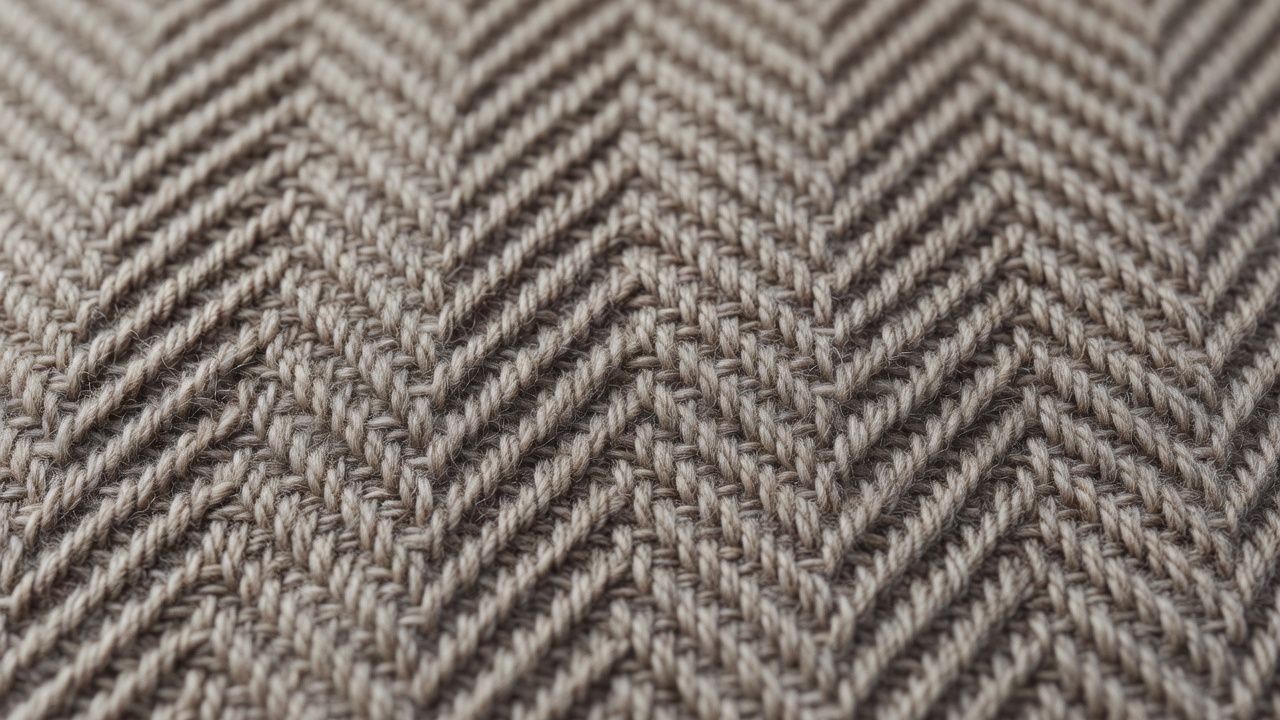
Herringbone weave fabric showing V-shaped zigzag pattern
V-Pattern

Herringbone Weave

A twill weave variation where the diagonal direction is reversed at regular intervals, creating a distinctive V-shape or zigzag pattern on the fabric surface. The name comes from its resemblance to the skeleton of a herring fish.

  • Produces a recognizable chevron or zigzag surface pattern
  • Used in suiting fabrics, wool coatings, and some shirting
  • The pattern is created by reversing the twill direction
  • Often heavier than plain-weave equivalents

Observe Weave Structure on Your Own Swatches

Now that you've read about common weave structures, try identifying them in fabric samples of your own. Our swatch practice guide offers a step-by-step observation approach.

View Swatch Practice Guide