Weave Type
The method by which warp and weft threads are interlaced determines the weave type — plain, twill, satin, and others. Each has different visual and handling characteristics.
An introductory overview of fabric types, fiber origins, and general textile characteristics. This information is educational and general in nature.
Understanding Fabrics
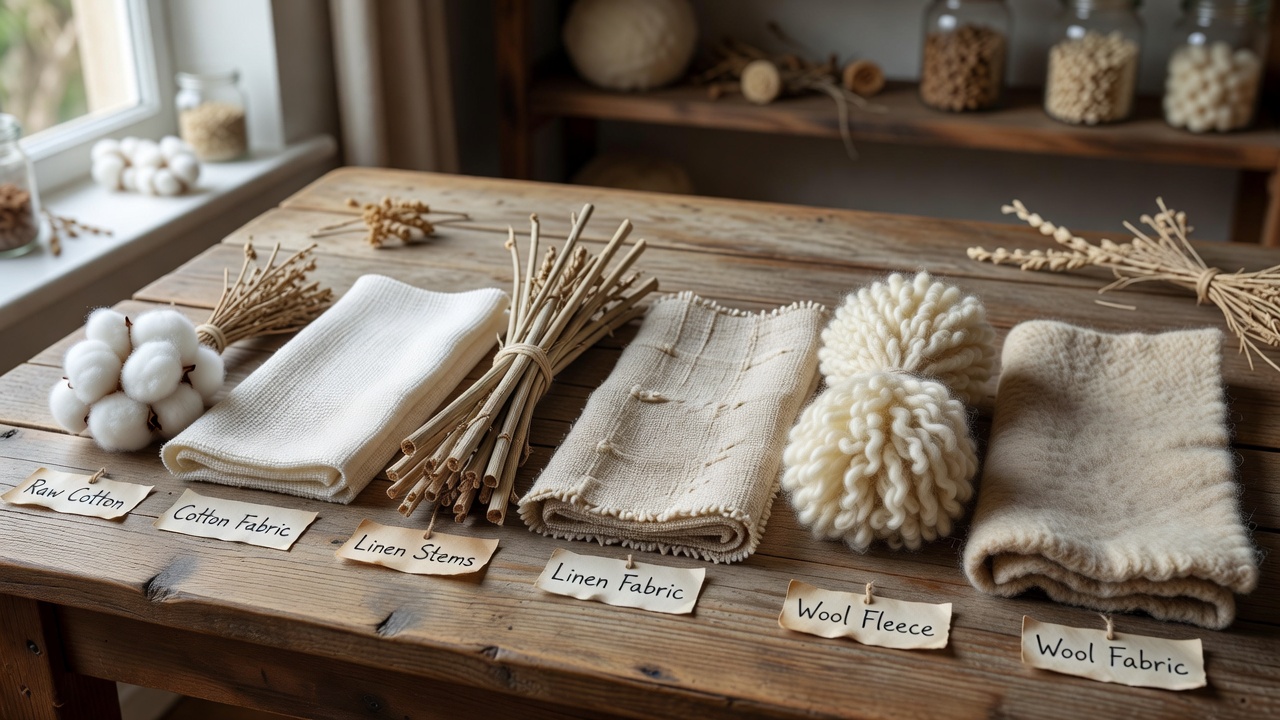
A fabric is generally formed from fibers — either natural, synthetic, or a blend — that are processed into threads or yarns and then structured into a sheet-like material through weaving, knitting, or other methods.
Understanding how a fabric is made can help you better observe its properties when handling a sample. It can also help you ask more relevant questions when selecting materials for a project.
The descriptions on this page are general observations. Fabric behavior varies significantly depending on weight, finish, blend, and supplier. Always test a physical sample before use.
Key Concepts
These are general properties commonly referenced when discussing fabric selection and use. They describe observable characteristics — not performance guarantees.
The method by which warp and weft threads are interlaced determines the weave type — plain, twill, satin, and others. Each has different visual and handling characteristics.
"Hand" is a textile term referring to how a fabric feels when held or touched. It is influenced by fiber type, weave density, finishing treatments, and yarn weight.
Often measured in grams per square meter (GSM), fabric weight is a general indicator of thickness and density. Heavier fabrics tend to drape differently from lighter ones.
Some fabrics stretch along one or both directions. Recovery refers to how well the fabric returns to its original shape after stretching. Woven fabrics typically have less stretch than knits.
How a fabric holds up over time varies by fiber, weave, and finish. Denser weaves and tightly spun fibers generally show more resistance to surface wear, though this depends on many factors.
Many fabrics receive finishing treatments during production — such as sizing, coating, or chemical treatments — that can affect their look, feel, and behavior.
Comparison Overview
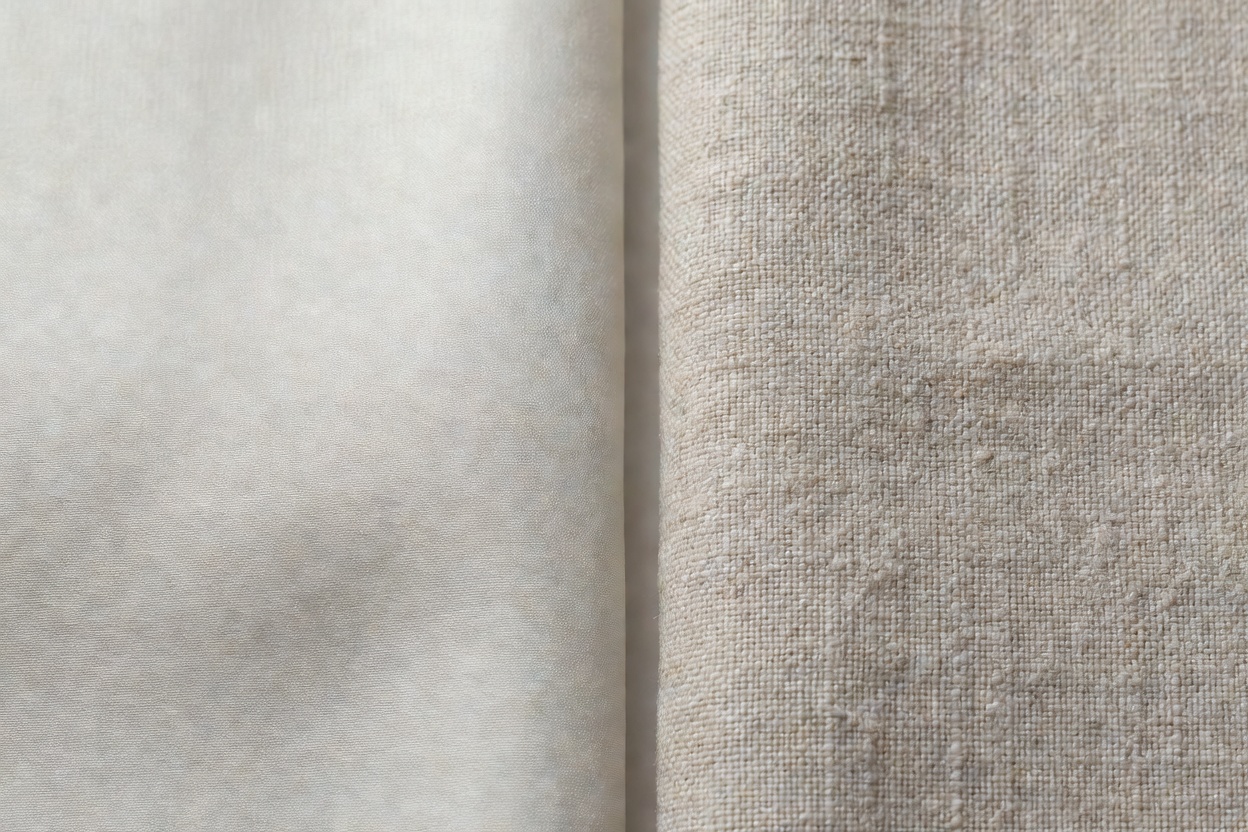
Natural and synthetic fabrics tend to behave differently under various conditions. The table below offers a general comparison for educational reference only. Actual performance will vary by product, finish, and usage context.
| Property | Natural Fibers | Synthetic Fibers |
|---|---|---|
| Breathability | Often higher | Often lower |
| Moisture absorption | Generally higher | Generally lower |
| Color retention | May fade over time | Often more stable |
| Shrinkage risk | More common | Less common |
| Environmental source | Plant or animal | Petroleum-derived |
Note: This table describes general tendencies only. Individual products vary widely.
Try Swatch PracticeExplore by Fabric Type
Each fabric page provides a more detailed educational overview of that material's structure, common uses, and observable properties.
Widely used natural plant fiber available in many weave types and weights.
A flax-based fiber with a distinctive texture and generally firm hand.
Natural protein fiber known for its insulating and elastic properties.
Durable synthetic fabric with consistent texture and good color retention.
Twill-woven cotton fabric recognized by its diagonal weave structure.
Loop-structured textiles with inherent stretch and flexibility.