Cotton Poplin
A plain-weave fabric with a fine, smooth surface. Often described as lightweight and relatively crisp in hand.
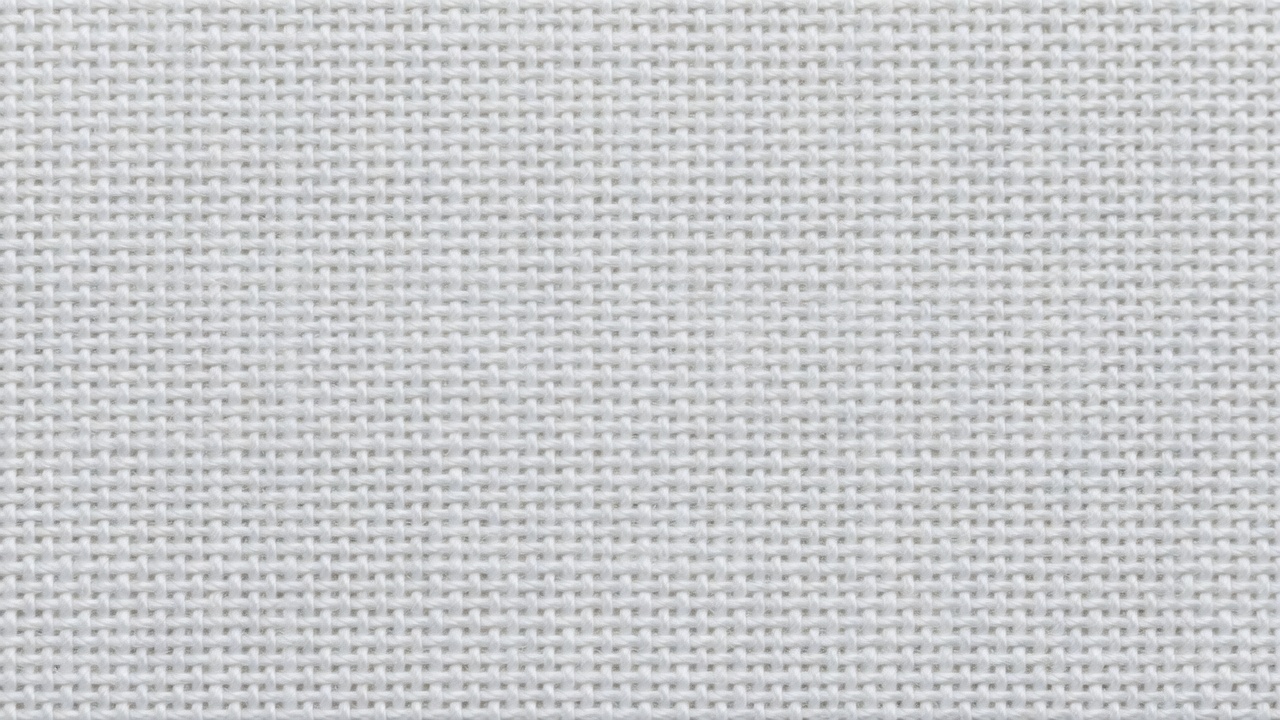
A widely used natural plant fiber. Available in many weave types and weights, cotton is a common subject of swatch observation and comparison.
Fiber Overview
Cotton is a natural plant fiber harvested from the seed pods of cotton plants. It is one of the most widely cultivated natural fibers globally and is used in a broad range of fabric types and weights.
Cotton fibers are cellulose-based, which is associated with their ability to absorb moisture. The fiber's length, thickness, and processing method all contribute to the characteristics of the resulting yarn and fabric.
| Fiber source | Cotton plant (Gossypium species) |
| Fiber type | Natural cellulose |
| Typical feel | Soft to medium, varies by weave |
| Moisture behavior | Generally absorbs moisture |
| Typical stretch | Low in woven forms; higher in knit |
| Common weave types | Plain, twill, satin, knit |
These observations are general. Cotton fabric behavior varies significantly by weave type, weight, thread count, and finishing. Always test a physical sample before use in a project.
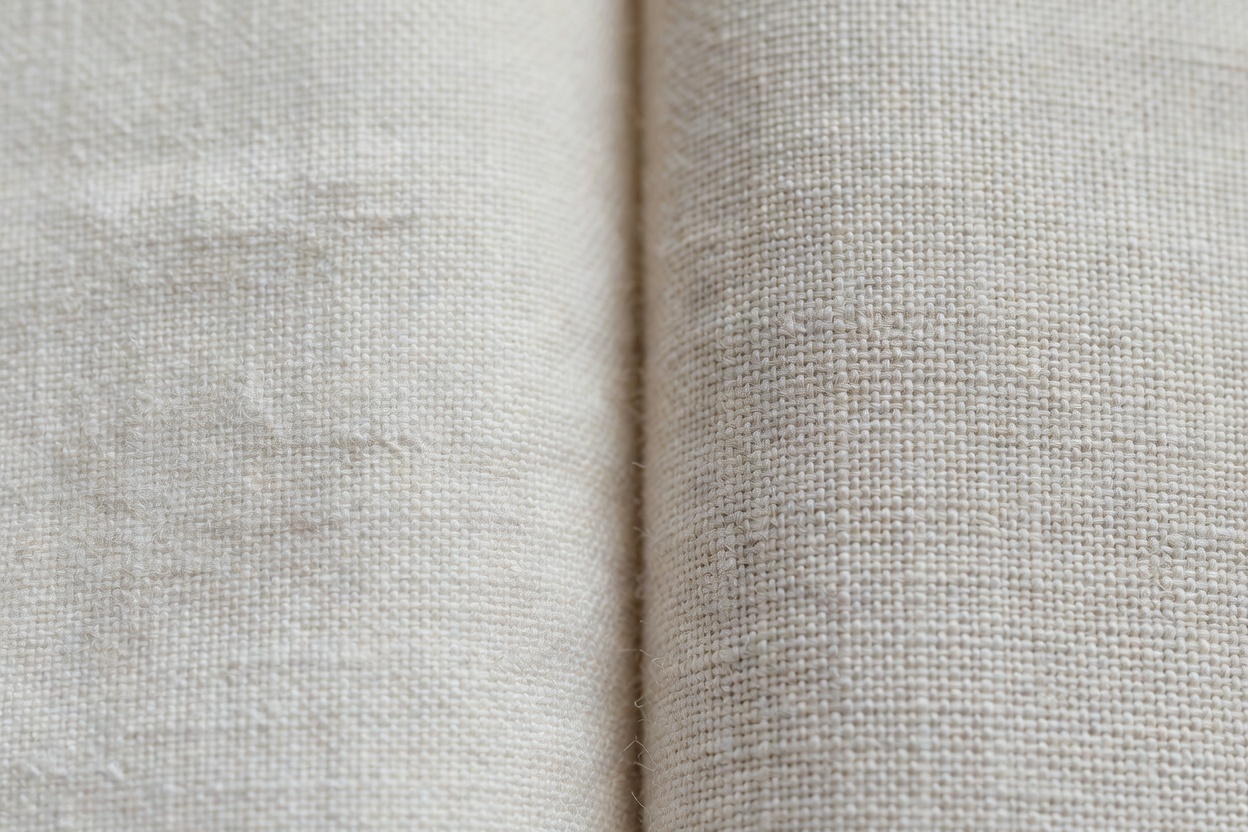
Weave Varieties
Cotton is used in many different fabric constructions. The following are some commonly discussed types. Characteristics vary by product and supplier.
A plain-weave fabric with a fine, smooth surface. Often described as lightweight and relatively crisp in hand.
A heavier plain-weave cotton fabric. Generally firmer and denser than lighter cottons, often observed to hold its shape more.
Woven in a diagonal pattern. Cotton twill fabrics include denim and chino, though properties vary widely by construction.
A knit construction using cotton yarn. Tends to have notable stretch in the horizontal direction compared to woven cottons.
A loosely woven plain-weave cotton. Often used for test garments and swatch sampling due to its low cost and workability.
A sheer, lightweight plain-weave cotton fabric. Noticeably different in weight and transparency compared to denser cotton types.
Swatch Observations
When handling a cotton swatch, the following points may be worth observing. These are general starting points — not technical assessments of any specific product.
Notice whether the surface feels smooth, slightly rough, or has a notable nap. This often relates to weave structure and finishing.
Cotton fabrics vary from very light (voile) to quite heavy (canvas). Pick up the swatch and observe how it falls from your hand.
Gently pull woven cotton in different directions. It typically has less stretch on the grain lines and slightly more on the bias.
Fold the swatch and press it. Does the crease hold firmly, or does it relax? This can indicate weave density and finishing.